How to Build a Lithe Type Beat in 2026 with a 60 BPM D Minor Template
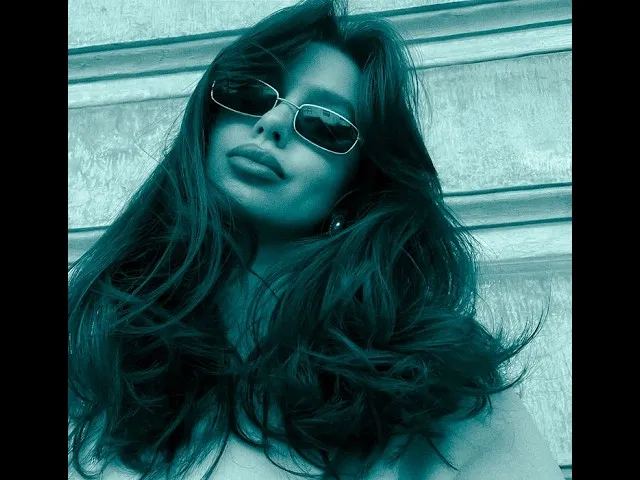
Video: (FREE) Lithe Type Beat - 'Secrets'
· based on the channel Hutwes
Key takeaways
- 'Secrets' by Hutwes runs at 60 BPM in the key of D minor.
- The arrangement follows a five-part structure: intro, hook, verse 1, verse 2, hook and outro.
- The free download is for non-commercial use only; commercial use requires a purchase.
- The beat is tagged as a lithe R&B type beat and a dark R&B type beat for 2026.
- A lithe type beat typically sits between 55 and 70 BPM with sparse, reverb-heavy melodies.
A lithe type beat is a dark, melodic R&B instrumental built to leave room for soft, half-sung vocals, usually sitting between 55 and 70 BPM with minor-key harmonies and heavy reverb. Hutwes' free beat 'Secrets' is a working example: 60 BPM, D minor, and a structure that runs from an intro through two hooks and two verses to an outro. You can grab the free tagged version or buy the untagged license through the download and purchase page for 'Secrets'.
What makes a beat sound like lithe
Lithe's sound is defined less by tempo than by texture: soft edges, minor-key melancholy and a vocal pocket that never feels crowded. A lithe type beat usually keeps the melodic layer to two or three elements so the artist can float over it rather than fight it.
The core ingredients are consistent:
- Tempo in the 55–70 BPM range. 'Secrets' sits at exactly 60 BPM, which is slow enough for drawn-out vocal runs but still gives a clear pulse for hi-hats and rimshots.
- A minor key. D minor is the key of 'Secrets'; it is one of the most common choices for dark R&B because the tonic sits comfortably under a male or mid-range female voice.
- Sparse, reverb-soaked melody. Guitars, plucked synths or bell tones with long tails, usually filtered and slightly detuned.
- Soft drums. Kicks and snares that are compressed and low in the mix, with hats programmed in short bursts rather than constant rolls.
- Space. Long gaps between phrases so the vocal carries the hook.
If a beat is fast, busy and bright, it is a pop or trap type beat, not a lithe one. The genre tag matters more than the drum kit.
Building a lithe type beat at 60 BPM in D minor
The fastest route to a convincing lithe type beat is to start from a fixed template rather than a blank project. Set your DAW to 60 BPM and lock the key to D minor before you write anything.
A practical order of work:
- Set the grid. 60 BPM, 4/4, D minor. At this tempo one bar lasts four seconds, so an eight-bar loop is 32 seconds — enough for a full hook.
- Write the chord bed first. A simple progression around Dm, Bb, F and C or Gm gives the dark, resigned color the style needs. Keep voicings close and low.
- Add one melodic voice. A clean electric guitar, a plucked synth or a bell patch with long reverb. Play a short motif and leave the rest of the bar empty.
- Program drums last and quietly. A soft kick on the one, a snare or rimshot on the three, and hats in eighth-note clusters. Sidechain the melody to the kick if the low end gets muddy.
- Mix for the voice. Carve a pocket between roughly 200 Hz and 4 kHz, roll off harsh highs on the melody, and keep the instrumental slightly duller than you think it should be.
- Add texture. Vinyl noise, a filtered vocal chop or a reversed piano note at the loop point makes the beat feel like a record rather than a sketch.
D minor is forgiving: the relative major is F, so a lift into F or Bb in the second half of the loop gives contrast without leaving the mood.
How 'Secrets' is arranged
'Secrets' shows the standard lithe type beat layout in practice. The intro runs for about 32 seconds, which at 60 BPM is roughly eight bars — long enough to establish the melody before any drums arrive.
The sections follow the same eight-bar logic:
- Intro, then the first hook, then verse 1, verse 2, a return of the hook and an outro.
- Each section is built on the same loop, with variation coming from muting and unmuting layers rather than new chord changes.
- The second verse follows the first without a new hook in between, which keeps the middle of the song moving for an artist writing two 16-bar verses.
This is a useful template: write one strong eight-bar loop, then arrange by subtraction. Pull the drums out for the intro, drop the melody for a bar before each hook, and let the outro fade on the bare chord bed.
Free versus commercial use of a type beat
The free download of 'Secrets' is explicitly not intended for commercial use. That means you can practice, write and record over it, but you cannot release the song on streaming platforms, monetize it on video platforms or sell it without a license.
What that means in practice:
- Free use: writing sessions, demos, social media snippets where no money changes hands, and reference tracks for your own production.
- Commercial use: distribution to Spotify, Apple Music and similar stores, monetized videos, paid performances of the recorded song, and sync placement. All of these require purchasing the beat.
- Tagging: free versions usually carry a producer tag over the loop, which is another reason to upgrade before release.
Buying a lease or exclusive license also gives you the untagged file and written terms, which distributors and content-ID systems will ask about.
Typical questions from producers and artists
Most of the hesitation around a lithe type beat comes down to the same few practical points. Producers worry that a slow tempo will make the beat feel empty; the answer is arrangement, not more layers — mute and unmute rather than add.
Artists ask whether a 60 BPM beat can carry an energetic vocal. It can: at this tempo the vocal can sit in double-time over the hook and half-time over the verse, which is exactly the contrast the style relies on. Others ask about key — D minor suits most mid-range voices, but if the melody sits too low, transpose the project up two or three semitones rather than rewriting it. Finally, many wonder whether a free type beat can be used at all; it can, for non-commercial work, as long as you respect the producer's terms.
Where to find Hutwes and the 'Secrets' files
All official links for the beat and the producer are collected below. The first is the download and purchase page; the second is the producer's social profile for new beats and contact.
- Download and purchase 'Secrets': https://bsta.rs/uzxnC5
- Hutwes on Instagram: https://www.instagram.com/hutwes/
For licensing questions or custom work, the contact address listed with the beat is huthutwes@gmail.com.
Final thoughts on the lithe type beat
A lithe type beat lives or dies on restraint: 60 BPM, a minor key such as D minor, one memorable melodic motif and drums that stay out of the singer's way. 'Secrets' by Hutwes demonstrates the formula cleanly, with an eight-bar intro, two verses and a repeated hook that give an artist a ready-made structure to write into. Start with the free version to test your ideas, then move to a license before you release anything commercially. You can download or purchase the beat on the Hutwes 'Secrets' page and follow the channel for more dark R&B instrumentals.
Questions & answers
Can I release a song over a free lithe type beat?
Not with the free version of 'Secrets', which is marked as non-commercial. You can write, record and post non-monetized snippets, but any release on streaming services, monetized video or paid use requires purchasing a license from the producer.
Is 60 BPM too slow for a lithe type beat?
No. Most lithe type beats sit between 55 and 70 BPM, and 60 BPM is typical. The vocal can move in double-time over the hook and half-time over the verses, which creates the contrast the style depends on.
Why is D minor so common in dark R&B instrumentals?
D minor sits comfortably under mid-range male and female voices and its relative major, F, allows a lift without leaving the mood. That makes it easy to write hooks that feel melancholy but still resolve.
Do I need expensive plugins to make a lithe type beat?
No. A stock electric piano or plucked synth, a long reverb, a soft kick and snare, and a noise layer are enough. The style depends on space and arrangement — muting and unmuting layers — more than on premium sound libraries.
Source: (FREE) Lithe Type Beat - 'Secrets' · Markdown version